

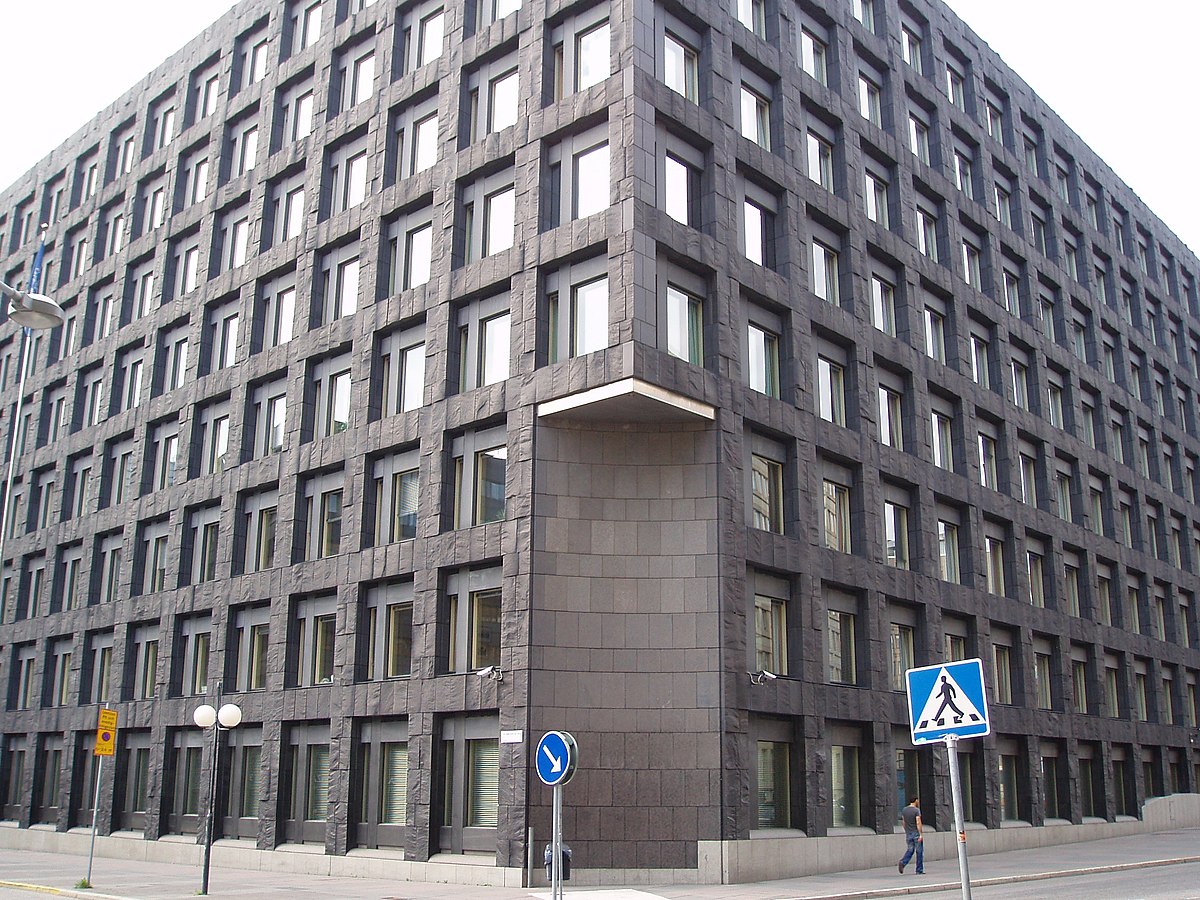
Sweden’s central bank, the Riksbank, has made its eighth consecutive interest rate increase, raising the main rate to 4%. This move aligns with the expectations of analysts surveyed by Reuters and reflects Sweden’s ongoing struggle with high inflation.
The quarter-point rate hike comes as Sweden’s headline inflation, excluding energy costs, experienced a slowdown in August, registering at 7.2%, down from July’s annual rate of 8%, according to Statistics Sweden. Despite this deceleration, inflationary pressures are still deemed excessively high.
In a statement, the central bank acknowledged that the Swedish economy is moving in the right direction but emphasized that inflation remains a concern. The statement highlighted that service prices continue to rise rapidly, and the persistently weak krona is contributing to ongoing inflationary pressures. This situation raises the risk that inflation may not recede and stabilize around the target rate quickly enough.
The announcement of the interest rate increase had an immediate impact on the krona’s value, causing it to appreciate to 11.1720 against the U.S. dollar, up from 11.1588 before the announcement. Sweden has grappled with a weakened currency, particularly as the krona reached record lows against the euro in recent months. The housing market has also felt the effects of these unexpected and aggressive interest rate hikes.
The Riksbank commenced its rate hikes in May 2022 and has consistently continued this upward trajectory. These measures were prompted by concerns about the high levels of household debt and the need to address economic challenges, as articulated by Stefan Ingves, the former central bank governor.
Ingves warned earlier in the year that Sweden was approaching a “day of reckoning” as house prices declined and economic conditions became more uncertain. His prediction has now materialized with the successive rate hikes.
In a related development, Norway’s central bank also opted for a rate hike, increasing its main rate by 25 basis points to 4.25%. The bank’s governor, Ida Wolden Bache, indicated that another rate hike in December is “likely,” contingent upon economic developments.
These rate increases in the Scandinavian countries contrast with the Federal Reserve’s decision to pause its own hiking cycle, signaling only one more interest rate increase later this year. The varying approaches of central banks reflect the unique economic challenges and priorities faced by each nation.
In the short term, Sweden’s central bank’s decision to raise interest rates reflects its commitment to tackling inflationary pressures and stabilizing the economy. The impact on the krona’s value and the housing market will be closely monitored in the coming months.
In the long term, Sweden’s economic recovery and inflation management will depend on sustained efforts by the central bank and government policies. The trajectory of interest rates and currency stability will be significant factors in shaping the country’s economic landscape. Additionally, close coordination with global economic developments, as seen in the Federal Reserve’s decisions, will play a role in Sweden’s long-term economic strategy.


