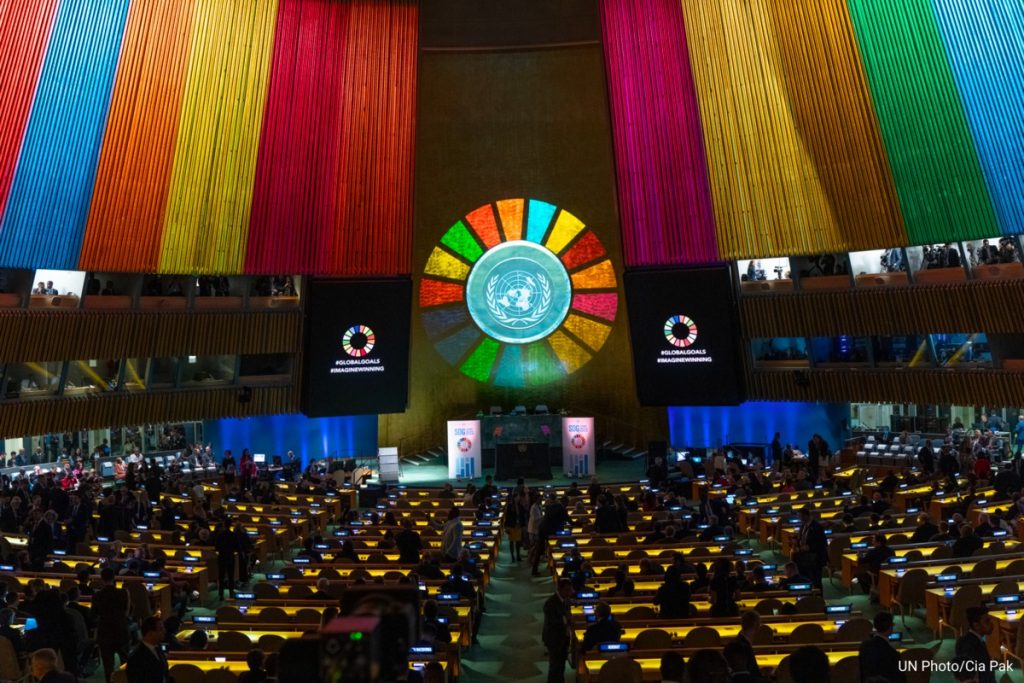
The UN General Assembly’s yearly gathering of global leaders is set to unleash a whirlwind of diplomatic intrigues, surprising alliances, and high-stakes confrontations. As world leaders converge, the fate of nations hangs in the balance.
In the medium term, the dynamics at the UN General Assembly reflect a shifting landscape in global diplomacy. President Biden’s outreach to Middle Eastern leaders, Russia’s diplomatic maneuvers, and the unpredictable interactions with coup-hit African states all highlight the complexity of international relations. The EU’s cautious stance on China adds another layer of uncertainty, emphasizing the growing struggle for influence in a changing world order.
In the long term, UN Secretary-General Antonio Guterres’ efforts to address pressing global challenges like climate change and artificial intelligence face significant obstacles. The world powers’ rivalry, coupled with the immediate crises faced by smaller nations, underscores the difficulties of fostering cooperation on long-term planetary issues. The diplomatic capacity challenge among UN diplomats is a clear indication of the hurdles to achieving a unified global response to existential challenges. The delay of the “Summit of the Future” suggests that finding common ground on these critical issues remains a formidable task.