

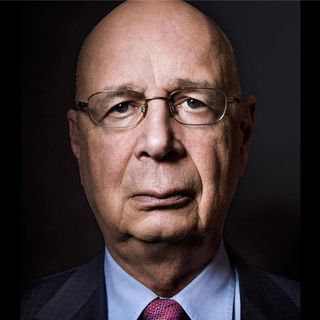
The world is abuzz with speculation and frustration over the lack of a succession plan for Klaus Schwab, the founder and leader of the World Economic Forum (WEF). As Schwab approaches his 85th birthday, questions are mounting about who will take the reins of this global organization, and whether Schwab will hand over control while he’s still alive.
Schwab’s Unyielding Grip: With a remarkable journey from a $6,000 startup to a $390-million-a-year empire, Schwab shows no signs of relinquishing power easily. Comparisons to media moguls Rupert Murdoch and Warren Buffet, who retained control of their empires, raise questions about why Schwab would do any differently.
Family Heirloom or Public Institution? Many insiders, including WEF corporate strategic partners, current and former staff, and committee members, argue that Schwab is treating the WEF like a family heirloom. Their frustration is palpable, with concerns that Schwab’s “god complex” and belief in his unique position could jeopardize the organization’s future.
The Absence of a Plan: Despite the mounting calls for a clear succession plan, the WEF’s governance system reveals that Schwab has the authority to designate his successor. This has led to speculation that he might try to control the process even beyond his lifetime, potentially by naming his successor in his will.
Family Influence: The Schwab family’s presence in the WEF’s decision-making is undeniable, with his daughter, son, and wife holding key positions and even wielding veto power over the organization’s potential closure.
Potential Successors: While names like Schwab’s daughter Nicole, son Olivier, and wife Hilde are frequently mentioned, the smart money seems to be on a long-time WEF trustee. European Central Bank chief Christine Lagarde is one name reportedly suggested by Schwab himself. Other contenders include Salesforce Co-CEO Marc Benioff and former International Red Cross chief Peter Maurer.
The Future of the WEF: The absence of a clear succession plan raises concerns about the WEF’s future. Whether it chooses a prominent figure like Tony Blair or an insider like Børge Brende, the WEF faces a critical decision that could shape its direction and influence on global affairs.
The lack of a clear succession plan for Klaus Schwab at the World Economic Forum underscores the challenges that organizations face when their founder and leader is deeply entwined with the institution. The WEF’s ability to navigate this transition will have a significant impact on its future influence and direction, potentially affecting its ability to address pressing global issues.
The question of Klaus Schwab’s successor at the WEF raises broader issues about leadership and continuity in global organizations. The choice of a successor will determine the WEF’s role in shaping global agendas and addressing critical challenges. It highlights the importance of governance and succession planning in ensuring the continued effectiveness and relevance of such influential entities on the global stage.


