

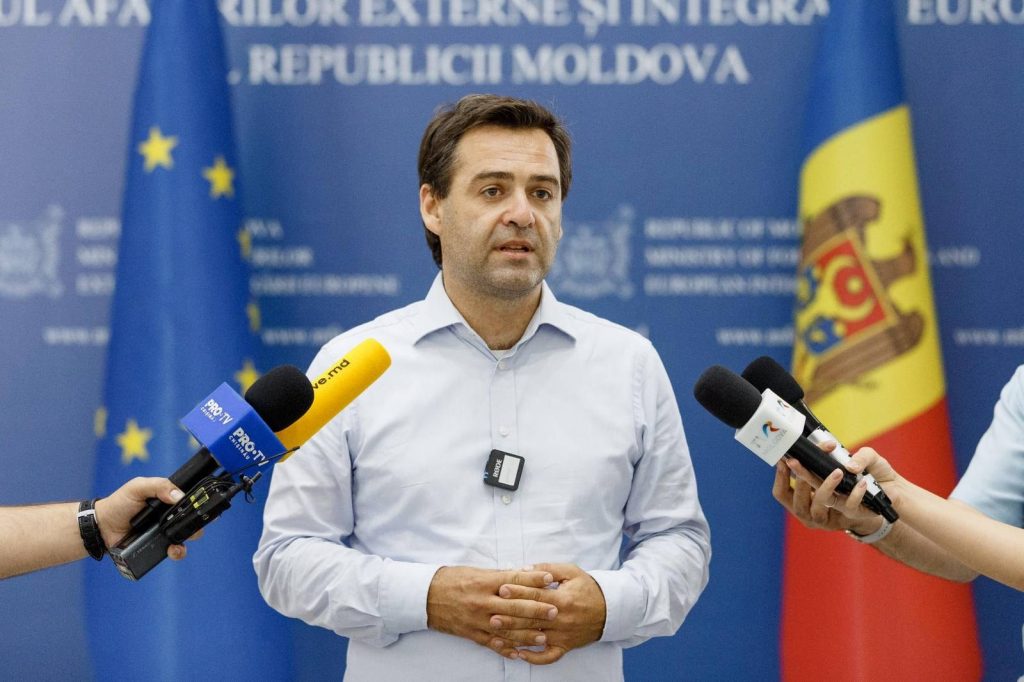
Moldova is gearing up to make a historic push for European Union (EU) membership, despite concerns that this move could reignite a long-standing conflict with Russia. In an exclusive interview with POLITICO, Moldova’s Foreign Minister, Nicu Popescu, emphasizes that his nation’s EU aspirations should not be held hostage to Moscow’s support for the separatist region of Transnistria.
Popescu acknowledges the challenges posed by the Transnistria conflict, stating that it affects Moldova’s security, economy, and border control capacity. However, he firmly believes that this standoff will not hinder Moldova’s path to EU membership. He asserts that the territory controlled by Moldova’s government in Chişinău can join the EU independently of developments in Transnistria, emphasizing that dividing countries within the EU would be detrimental for all parties involved.
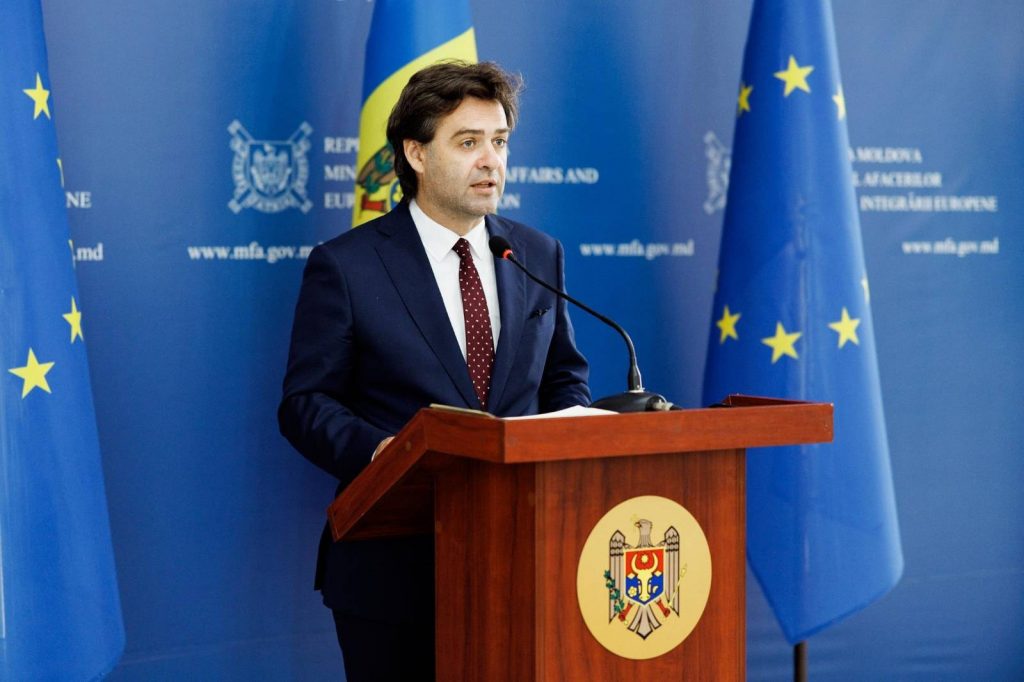
Moldovan diplomats in Brussels are set to present a position paper to the Commission, highlighting their commitment to anchoring the country in the European family of nations. They plan to launch a self-screening process to identify legislative needs for future accession talks, paving the way for a swift entry into the EU.
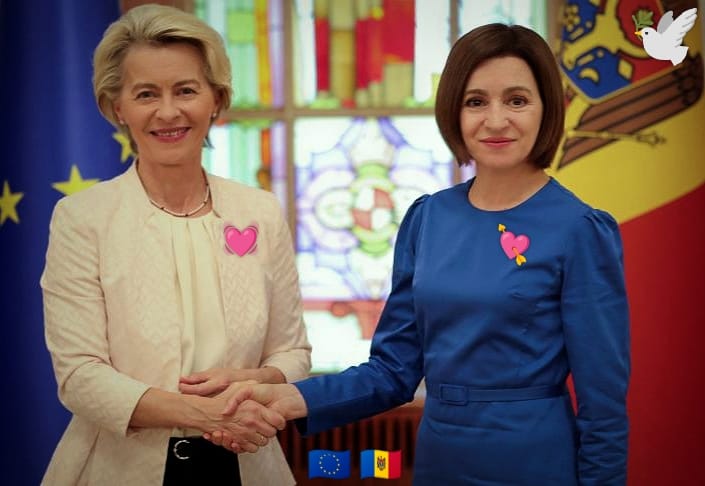
Moldova’s pro-European President, Maia Sandu, has consistently condemned Russia’s actions in neighboring Ukraine and aims to distance her country from Moscow’s influence. Last year, Moldova was granted candidate status by EU leaders, receiving financial support to reduce its dependence on Russian energy. Additionally, the EU deployed a civilian mission to counter potential pro-Russian coup attempts. Public opinion polls indicate widespread support for EU membership among Moldovan citizens, and many already hold EU passports due to family connections with neighboring Romania.
While questions persist about the Transnistria conflict’s impact on Moldova’s EU aspirations, EU High Representative Josep Borrell has pointed to past examples of member states with territorial disputes, such as Cyprus. However, Romania’s Siegfried Mureșan, chair of the European Parliament’s delegation to Moldova, believes that the presence of Russian troops on Moldovan territory must be addressed before membership can proceed.
In October, Brussels will provide an update on its enlargement plans. Three aspiring members—Moldova, Ukraine, and Georgia—continue to face territorial challenges due to Russian troops. As the war in Ukraine unfolds nearby, the willingness of EU countries to support Moldova’s European dream remains uncertain.
Moldova’s determination to pursue EU membership despite the Transnistria conflict reflects its commitment to European integration. While the EU has offered support, the resolution of territorial disputes involving Russian troops remains a significant hurdle. Moldova’s pro-European stance aligns with broader geopolitical shifts in Eastern Europe, where nations are seeking closer ties with the EU and distancing themselves from Moscow. However, the EU’s decision on Moldova’s membership will depend on its willingness to navigate the complexities of this frozen conflict and the broader geopolitical implications of Moldova’s integration.
Moldova’s EU membership would likely bring economic benefits, including access to EU markets and financial assistance for development. It could also strengthen democratic institutions and the rule of law in Moldova, aligning the nation more closely with European values. However, the long-term implications depend on the resolution of the Transnistria conflict and Moldova’s ability to address internal challenges. The willingness of Moldovan citizens to embrace EU membership, along with the EU’s ability to support the country’s growth, will play a crucial role in determining the success of this integration process


